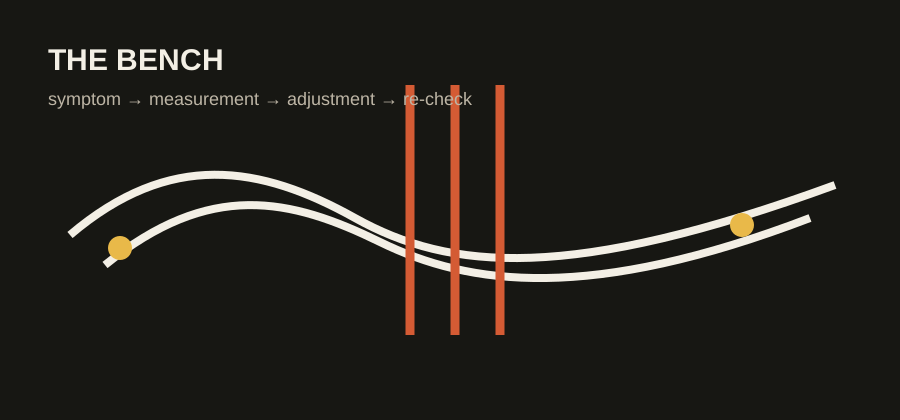
What to check first
Inspect the winding on the post, the nut slot, the string itself and the saddle. Compare each point with a neighboring string that behaves normally.
What the result tells you
A fresh replacement string is a cheap diagnostic tool. Rule out the string before adjusting the instrument around it.
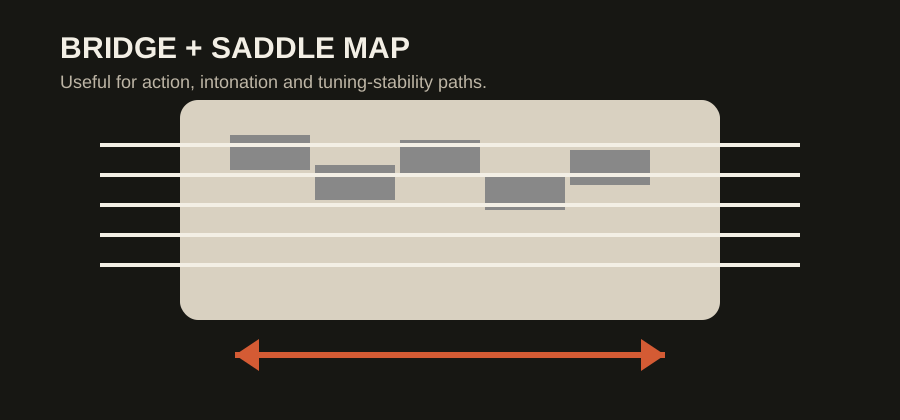
Write down the current measurement before changing anything.
Small, reversible adjustments are easier to understand and undo.
Stuck, stripped, lifted or structural parts are not routine setup territory.
Bench questions
Do I need to chase a factory number exactly?
No. Factory specs are useful baselines, but playing attack, string gauge, fret condition, radius and preference affect the setup that actually works.
Should I change more than one thing at once?
No. Make one measured change, retune, and test again so you know what caused the result.
When should I stop?
Stop if an adjustment is stuck, requires unusual force, hardware is stripped, a fret is visibly lifting, or the problem looks structural rather than setup-related.
Related setup guide
Guitar Tuning Problems gives you the broader context for this problem.
Where to go next
If this check does not explain the symptom, don’t compensate by randomly changing another adjustment. Go back through the symptom diagnostician and follow the next branch.